Mostrando las entradas con la etiqueta time. Mostrar todas las entradas

miércoles, 2 de octubre de 2013

DESEMPLEO EN ESPANA DISMINUYE TRABAJO

Good evening to you,

It's time for subscriber-only original reporting and analysis to come back to The Spain Report, after all the post-Santiago trip improvements.

And what a prestigious pair of experts I have found for you tonight…

*******************
Where has this new trend in Spanish unemployment come from, though, and will it continue? Are we seeing the beginning of the end of unemployment in Spain? Have Spanish prime minister Mariano Rajoy’s austerity measures and employment reform actually started to work?

Edward Hugh, an independent macroeconomist in Catalonia, told The Spain Report that: “The change started in December last year. It is quite clear in the data, the rate of increase in unemployment peaked and then started to decelerate. This change of trend coincided with the deepest moment in the recession. After this things started to improve. But improving doesn’t mean things are good. This is the big confusion many people are making. It just means that initially they started getting worse more slowly, then they started to get better (maybe in April)“.

cortesia matthewatthespainreport.com


domingo, 22 de septiembre de 2013

Y LOS REBELDES TAMBIEN HACEN SUS PICARDIAS SIRIA

 La revista Time publicó imagénes de una de las cuatro ejecuciones que uno de sus periodistas fotografió el pasado 31 de agosto. Las fotos muestran cómo un joven fue decapitado en público por militares islámicos, en los alrededores de Aleppo. Según informó la revista estadounidense, no fue posible identificar la afiliación política de la víctima, pero una persona que vive en la zona y presenció el hecho informó que los asesinos forman parte de ISIS, una organización perteneciente a Al Qaeda que opera en Siria e Irak.
El fotógrafo que registró las imágenes, cuyo nombre no fue revelado para cuidar su identidad, escribió una crónica sobre la ejecución.
"El hombre fue traído a la plaza. Sus ojos estaban vendados. Empecé a sacar fotos, una tras otra. Era la cuarta ejecución del día que fotografiaba. Me sentía horrible, muchas veces estuve a punto de vomitar. Pero me mantuve bajo control porqe como periodista sabía que tenía que documentar el hecho, como los tres anteriores del día, en tres zonas de Aleppo", cuenta el fotógrafo.
Y continúa: "No sé qué edad tenía la víctima, pero era joven. Tenía sus rodillas atadas. Los rebeldes que lo rodeaban leyeron los crímenes que había cometido y se pararon a su alrededor.  El joven estaba apoyado sobre sus rodillas, tenía las manos atadas. Parecía helado. Dos rebeldes le susurraron algo al oído y el joven respondió de un modo triste e inocente. No pude entender qué dijo porque no entiendo árabe".

coretesia elobservador.com

domingo, 11 de marzo de 2012

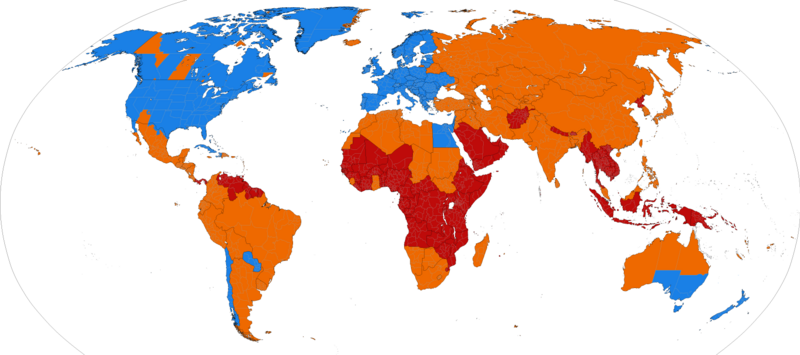
Daylight Saving Time (???)


Para aquellos que no recordaron que hoy estamos 'adelantados', favor mover las agujas (digitales) y adelantar la hora una hora, sea donde sea dentro de los Estados Unidos..

click aqui

For Englsih readers:
.Daylight saving time (DST)—also summer time in several countries including in British English and European official terminology —is the practice of advancing clocks so that evenings have more daylight and mornings have less. Typically clocks are adjusted forward one hour near the start of spring and are adjusted backward in autumn.
Though mentioned by Benjamin Franklin in 1784, the modern idea of daylight saving was first proposed in 1895 by George Vernon Hudson, and it was first implemented during the First World War. Many countries have used it at various times since then; details vary by location.


The practice has been both praised and criticized. Adding daylight to evenings benefits retailing, sports, and other activities that exploit sunlight after working hours, but can cause problems for evening entertainment and other occupations tied to the sun. Its effect on health and crime is less clear. Although an early goal of DST was to reduce evening usage of incandescent lighting, formerly a primary use of electricity, modern heating and cooling usage patterns differ greatly, and research about how DST currently affects energy use is limited or contradictory.
DST clock shifts present other challenges. They complicate timekeeping, and can disrupt meetings, travel, billing, recordkeeping, medical devices, heavy equipment, and sleep patterns. Software can often adjust computer clocks automatically, but this can be limited and error-prone, particularly when DST protocols are changed.

click aqui

cortesia  wikipedia